
cheap pdf printing and binding
Discover affordable solutions for PDF printing and binding. Upload your PDF, choose paper, color, and binding style, and get instant pricing. Our service offers quick turnaround, quality finishes, and low costs for books, brochures, and documents. Fast, secure printing keeps your PDF projects.!!
Understanding PDF File Requirements
Embed fonts, use 300‑dpi images, set CMYK colors, and add bleed marks. Check file size and resolution before upload. Proper formatting ensures crisp text, sharp graphics, and accurate color reproduction for cheap printing. Fast, secure, budget‑friendly solutions. Order online for quick pricing.
Optimal PDF Resolution and Color Profiles
To achieve the best results with inexpensive printing, start by setting your PDF to a minimum of 300 dpi for all images and graphics. This resolution balances sharpness with file size, keeping costs low while ensuring that text and photos remain crisp on the final product. When preparing color documents, convert all colors to CMYK or use a PDF printer that automatically applies a CMYK conversion. Sticking to CMYK avoids surprises during printing, as RGB colors can shift when interpreted by the printer’s color engine. For black‑and‑white files, use high‑contrast grayscale to prevent soft edges. Embed all fonts to guarantee that the layout appears exactly as intended, regardless of the device used to view the PDF. Avoid using transparency layers that may cause unexpected bleed or halo effects; flatten them before export. Include bleed marks and a 0.125‑inch margin on all sides to accommodate trimming. Verify that the PDF is “print‑ready” by running it through a preflight tool that checks for missing fonts, unsupported image formats, and other common pitfalls. Finally, test a small batch to confirm that the chosen paper stock and binding method produce the expected color fidelity and durability. By following these guidelines, you can keep printing costs down while delivering professional‑looking results. This approach ensures that each copy meets quality expectations while keeping production expenses minimal and accessible to small publishers etc.!!
Common PDF File Issues and Fixes
Many users encounter problems when sending PDFs to a low‑cost printer. The most frequent issue is missing or improperly embedded fonts, which causes garbled text or unintended substitutions. The fix is to embed all fonts during export or use a PDF creator that automatically embeds them. Another common pitfall is low image resolution; images below 300 dpi become pixelated on the final print. Ensure all graphics are at least 300 dpi and use high‑quality JPEG or PNG files. Color mismatches arise when RGB files are sent to a CMYK printer, leading to washed‑out or overly saturated colors. Convert the PDF to CMYK or use a printer’s color management tool before uploading. Transparency layers can produce unexpected halos or bleed when printed. Flatten all transparency before export, or use a preflight check to identify and resolve them. Bleed and margin errors occur when the PDF does not include the required 0.125‑inch bleed or has content too close to the edge; this results in white borders after trimming. Add the proper bleed and keep all critical text and graphics at least 0.125 inches from the trim line. Page size mismatches happen when the PDF is set to a non‑standard size that the printer cannot handle, causing cropping or scaling. Set the document to a standard size such as 8.5×11 in or 5.5×8.5 in. Large file sizes can slow down upload or trigger server timeouts; compress the PDF or split it into smaller sections. Finally, security settings that lock the document can prevent printing. trigger server timeouts; compress the PDF or split it into smaller sections.

Choosing the Right Paper and Size
Choose paper wisely: sizes like 8.5×11 in or 5.5×8.5 in. Custom sizes add cost but offer uniqueness. Balance weight, finish, and size to keep printing cheap yet professional. Choose paper that fits needs!! now. Choose 80‑100 lb cardstock for a sturdy feel, or 50 lb paper for lighter projects!!
Paper Weight and Finish Options
When preparing a PDF for print, selecting the correct paper weight and finish is essential to balance cost and quality. Light weight paper, typically 50–80 lb, is ideal for bulk brochures or flyers where volume drives savings. Medium weight, around 80–100 lb, offers a sturdier feel suitable for business reports and booklets. Matte finishes give a subtle, non‑glossy appearance that reduces glare, making text easier to read in bright environments. Glossy coatings add vibrancy and a reflective sheen, for photo‑rich brochures or marketing materials. Semi‑gloss offers a compromise, delivering moderate shine while keeping costs lower than full gloss. For documents that will be handled frequently, a laminated finish can protect against wear and moisture, extending shelf life. Some printers also offer UV spot coating, which highlights specific elements such as logos or headings, adding a professional touch without covering the entire page. Choosing a finish that matches the document’s purpose and audience can reduce unnecessary expense while enhancing visual impact. Additionally, consider the binding method; heavier paper may require stronger binding techniques, as coil or comb, to maintain structural integrity. By carefully matching paper weight and finish to the intended use, you can keep printing costs low while delivering a polished, durable, product that meets client expectations.
Choosing Standard vs. Custom Sizes
Standard sizes such as 8.5×11, 8.5×14, 5.5×8.5, and 6×9 are widely supported by most print shops, ensuring quick setup and lower costs. They fit standard binding equipment, reduce waste, and allow easy comparison of price quotes. When a project requires a distinctive look or must match a brand’s unique dimensions, custom sizes become necessary. Custom sizing offers flexibility to fit product packaging, brochures, or specialty books, but it often incurs higher setup fees, longer turnaround, and may limit binding options. For example, a 7×10 custom book may need a special cutter or die cut, increasing labor. When deciding, evaluate the intended use: a marketing flyer that will be distributed in bulk may benefit from standard dimensions to keep costs predictable, while a limited edition art book that needs to showcase large images may justify custom dimensions for a premium presentation. Many online services provide a size calculator; inputting your PDF’s page dimensions will automatically adjust margins and trim lines, ensuring the final product matches your specifications. Additionally, consider the effect on binding: spiral or comb binding requires a minimum width, so custom widths below that threshold may not be feasible. In summary, choose standard sizes for cost efficiency and speed, and opt for custom sizes when design requirements or brand identity demand a distinct format that standard sizes cannot accommodate. Balance cost with visual appeal today!!

Selecting Binding Methods
Explore staple, coil, comb, and saddle stitch options. Each offers distinct durability, aesthetics, and cost. Each offers durability, aesthetics, and cost. Each offers durability, aesthetics, and cost; Choose wisely! Ideal for budgets and quick projects. Contact us for custom solutions. Today.
Staple, Coil, Comb, and Saddle Stitch
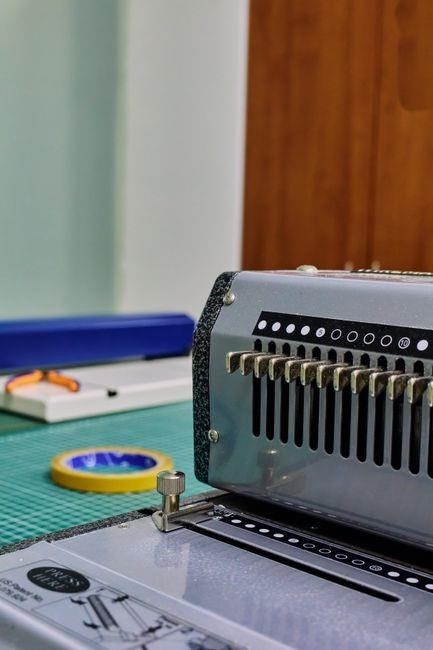
Staple binding is ideal for short documents, offering quick assembly and low cost. Coil binding provides flexibility and a professional look, suitable for thicker PDFs. Comb binding is a middle ground, allowing easy page addition and a clean edge. Saddle stitch is perfect for thin booklets, using a simple folding method. Each method balances cost, durability, and appearance, making them popular for budget PDF printing and binding services.
Staple binding, or saddle stitch, is the most economical choice for documents up to 80 pages. It uses a simple stapler that secures the folded sheets along the spine, producing a flat, book‑like appearance. The staples are typically made of stainless steel for longevity, and the process is quick, making it ideal for flyers, handouts, and small booklets.
When choosing a binding, consider the document’s purpose, handling frequency, and budget. For high‑traffic handouts, staple binding offers durability and low cost. If the material will be referenced frequently, coil or comb binding provides a professional look and easy page access. Customization options such as cover stock, embossing, or lamination can enhance the final product but will increase cost. Most online services calculate price automatically based on page count, paper type, color, and binding choice, allowing you to preview the quote before payment. Secure payment methods, including credit card and PayPal, protect your transaction while ensuring a checkout experience.
Staple binding is ideal for short documents, offering quick assembly and low cost. Coil binding provides flexibility and a professional look, suitable for thicker PDFs. Comb binding allows easy page addition and a clean edge. Saddle stitch is perfect for thin booklets, using a simple folding method. Each method balances cost, durability, and appearance, making them popular for budget PDF printing and binding services.
Hardcover and Softcover Options

Hardcover and softcover options give you the flexibility to choose the right protection and aesthetic for your pdf projects. A hardcover offers a durable, book‑like feel with a rigid spine and often a protective dust jacket, making it ideal for professional portfolios, photo books, and long‑term keepsakes. Softcover is lightweight, more affordable, and perfect for brochures, flyers, and quick reference guides. Both styles can be customized with matte or glossy finishes, spot UV, embossing, or foil stamping to add a premium touch without breaking the bank. When you upload your pdf to an online printing service, you can select the binding type, paper weight, and cover material, and the system will calculate the cost based on page count, color or black‑and‑white printing, and the chosen cover style. Many providers offer bulk discounts for larger orders and free shipping on orders over a certain threshold. The payment process is secure, accepting credit cards and PayPal, and the turnaround can be as fast as 24 hours for rush orders. By choosing the right cover, you not only protect your pages but also create a lasting impression that reflects the quality of your content. Whether you need a sleek, professional look or a budget‑friendly solution, hardcover and softcover options are available to meet diverse needs and budgets while keeping the pdf printing process simple and cost‑effective. Customers can also request custom trim or special finishes for an extra touch, flairnow!!!.

Cost Factors in PDF Printing

Price depends on page count, color choice, and binding. Black & white saves money, while full color increases cost. Bulk orders reduce per‑page rates, and free shipping kicks in above a threshold. Quick turnaround may add a small surcharge. Choose wisely! Prices include taxes and shipping fees.!

Page Count and Color vs. Black & White
When ordering a cheap PDF print, the number of pages influences the final cost. Most services charge a base rate per page, which can drop significantly when the total page count exceeds 50 or 100 pages. For instance, a 20‑page document might cost $0.12 per page, while a 200‑page job could be reduced to $0.08 per page. Color printing is typically 2–3 times more expensive than black‑and‑white. A full‑color page can cost $0.30–$0.40, whereas a monochrome page may be $0.10–$0.15. Many printers offer a “color on first page only” option, ideal for flyers or book covers; this keeps the bulk of the pages in black‑and‑white, saving money. Additionally, some providers apply a bulk discount for large orders, which can be combined with the color‑on‑first‑page strategy to further reduce expenses. By carefully balancing page count, color usage, and bulk discounts, you can keep your PDF printing budget low while still achieving professional results.
Some vendors also provide a “half‑color” or “grayscale” setting that reduces ink usage while preserving image quality. This option is useful for documents that contain photographs or detailed graphics but do not require full color fidelity. When using grayscale, the cost per page can drop to about $0.15–$0.20, a substantial saving compared to full color. Moreover, many online printers allow you to preview the PDF in the chosen color mode before finalizing the order, ensuring that the visual outcome matches your expectations. This pre‑approval step helps avoid costly reprints caused by color mismatches or unexpected bleed‑through.
When calculating the price, remember that binding, paper weight, and finish add to the base page cost. For example, a saddle‑stitch binding may add $0.05 per page, while a coil or comb binding could increase the price by $0.10–$0.15 per page. Paper type also matters: standard 20‑lb white paper is cheaper than premium 24‑lb or coated stock, which can add $0.02–$0.05 per page. Shipping fees are often calculated per kilogram, so a heavier paper stock can increase the total cost. By reviewing each of these variables—page count, color choice, binding, paper, and shipping—you can fine‑tune your order to stay within budget while still delivering a high‑quality product. All prices include taxes. All prices.
Bulk Discounts and Shipping Fees
Large orders often trigger tiered pricing that can lower the per‑page cost by 10%–30%. For example, printing 100–200 pages might reduce the base rate to 15% off, while 500+ pages can cut 25% or more. Many suppliers offer a “volume discount” calculator that updates the total instantly as you add pages. Shipping is typically calculated by weight, with a flat rate for orders under 5 kg and incremental charges for heavier runs. Some printers provide free shipping for orders over $125, while others charge $0.30 per kilogram. Choosing lighter paper or a smaller binding can therefore reduce both the page cost and the shipping fee. Bulk orders also qualify for expedited shipping discounts, and some vendors include a free 3‑day express option for orders above a certain threshold. It’s essential to compare the combined savings from volume discounts and shipping promotions, as the total cost can drop significantly when both are applied together. Always review the shipping policy before finalizing the order to avoid unexpected fees. All prices are quoted in USD and include taxes. All prices.
Additionally, many printers offer tiered shipping where the first 10 kg is a flat rate and each extra kilogram is billed at a lower per‑kg price. Some also provide standard and expedited options; the latter costs about 1.5‑2 times the standard rate but delivers within 48 hours. By comparing these, you can find the most cost‑effective strategy for your project. Now?! Compare rates before finalizing. now!
Ordering Process and Payment Options
Upload your PDF, select paper, color, binding, and view instant pricing. Click “Place Order,” choose shipping, then pay securely via credit card or PayPal. Order confirmation and tracking are emailed. Fast, reliable, and budget‑friendly service. All steps are easy and support PDF preview now!
Online Upload and Automated Pricing
Upload your PDF file directly to our secure portal and let the system do the heavy lifting. The upload interface accepts standard PDF formats, ensuring that your document’s layout, fonts, and images remain intact. Once the file is received, the software parses the page count, determines whether the content is color or grayscale, and calculates the cost per page accordingly. This automated pricing engine uses real‑time data from our suppliers, so you see an accurate quote before you commit. The platform also offers a preview feature that lets you verify the page order, detect any missing pages, and confirm that the margins match your chosen paper size. If adjustments are needed, you can edit the PDF on the fly or re‑upload a revised version. After the price is displayed, you can select the binding method—staple, coil, comb, or saddle‑stitch—and choose from a range of paper weights and finishes. The final cost is updated instantly, reflecting any changes in paper type, color options, or binding style. This seamless workflow eliminates the guesswork that often accompanies print orders, making it easier for small businesses, students, and hobbyists to get professional results at a fraction of the traditional cost. The entire process is designed to be intuitive, with step‑by‑step prompts that guide you from upload to payment. By automating the pricing, we reduce turnaround time and keep our prices competitive, ensuring that you receive a high-quality,bound PDF product quick affordably.
Payment Methods and Security
When you finalize a PDF printing order, our checkout system supports multiple secure payment options. You can pay with major credit cards (Visa, MasterCard, American Express, Discover) or use PayPal for a quick, familiar experience. For larger orders, we also accept bank transfers and wire payments, with detailed instructions provided in the confirmation email. If you prefer, you may use crypto through payment gateway!
All transactions are protected by industry‑standard SSL/TLS encryption, ensuring that your card details never leave the secure channel. We are fully PCI‑DSS compliant, meaning we adhere to the strictest security protocols for cardholder data. In addition, we employ two‑factor authentication for account access, and all sensitive data is stored encrypted at rest. Your personal information is never shared with third parties without explicit consent, and we comply with GDPR and CCPA regulations to safeguard your privacy.

After payment, you receive an automated receipt and a unique order ID. If you need a refund, our policy allows returns within 30 days of delivery, provided the product is in its original condition. For any security concerns or payment disputes, our support team is available 24/7 via chat, email, or phone. We also provide detailed transaction logs that you can download for your records. With these robust measures, you can trust that your PDF printing and binding transaction is both safe and transparent.