
stanford low fodmap diet pdf
Stanford University’s low FODMAP diet resources, often found as a PDF, aim to alleviate IBS symptoms by strategically reducing fermentable carbohydrates.
What are FODMAPs?
FODMAPs are fermentable oligo-, di-, mono-saccharides and polyols – short-chain carbohydrates poorly absorbed in the small intestine.
These sugars draw water into the gut and are fermented by bacteria, potentially causing gas, bloating, and discomfort. The Stanford PDF and Monash University resources detail these compounds. Understanding FODMAPs is crucial for managing IBS symptoms through dietary adjustments, as outlined in available guides.
The Connection Between FODMAPs and IBS
Irritable Bowel Syndrome (IBS) symptoms often worsen with FODMAP consumption. These carbohydrates can trigger digestive distress in susceptible individuals. The Stanford low FODMAP diet, detailed in their PDF, aims to reduce these triggers. By limiting FODMAPs, the diet seeks to minimize fermentation and gas production, offering relief from bloating, pain, and altered bowel habits common in IBS sufferers.

Understanding the Stanford Low FODMAP Diet PDF
Stanford’s comprehensive PDF handout provides detailed guidelines for implementing the low FODMAP diet, assisting individuals in managing IBS and digestive discomfort.
Origin and Development at Stanford University
Stanford University didn’t invent the low FODMAP diet, but significantly contributed to its popularization and practical application. While Monash University pioneered the research, Stanford developed accessible resources, notably a widely circulated PDF handout.
This document translates complex scientific findings into actionable dietary advice for patients with IBS. It’s designed to guide individuals through the elimination, reintroduction, and personalization phases, offering a structured approach to symptom management. The Stanford plan emphasizes patient education and self-management.
Key Components of the Stanford Handout
The Stanford low FODMAP diet PDF comprehensively outlines the three phases: elimination, reintroduction, and personalization. It features detailed food lists categorizing items as low or high in FODMAPs, aiding shopping and meal planning.
Crucially, the handout emphasizes careful label reading and provides guidance on appropriate portion sizes. It also addresses potential challenges, like garlic and onion substitutions, and encourages seeking support from registered dietitians. The goal is sustainable, individualized dietary management.
Phases of the Low FODMAP Diet
Stanford’s PDF details a three-phase approach: strict elimination of high-FODMAP foods, systematic reintroduction to identify triggers, and long-term personalized dietary adjustments.
Elimination Phase: Initial Restriction
The Stanford low FODMAP diet PDF emphasizes a strict initial elimination phase, typically lasting 2-6 weeks. This involves removing high-FODMAP foods – including certain fruits, vegetables, dairy, and grains – to reduce gut fermentation and symptom severity.
Careful label reading is crucial during this phase. The goal isn’t permanent restriction, but symptom relief and preparation for identifying individual trigger foods. This phase requires commitment and planning to ensure adequate nutrition while minimizing FODMAP intake.
Reintroduction Phase: Identifying Trigger Foods
The Stanford low FODMAP diet PDF guides users through a systematic reintroduction phase. This involves carefully adding one FODMAP group at a time, monitoring for symptom recurrence.
Each food challenge lasts 3-7 days. Detailed symptom journaling is vital to pinpoint specific triggers. Monash University’s app is invaluable here, providing portion size guidance. This phase personalizes the diet, expanding food choices while managing IBS effectively.
Personalization Phase: Long-Term Management
The Stanford low FODMAP diet PDF emphasizes that this isn’t a forever diet. The personalization phase focuses on long-term, sustainable eating.
Based on reintroduction results, individuals create a tailored diet, reincorporating tolerated FODMAPs. Avoiding overly restrictive eating is key. A balanced diet, prioritizing individual tolerances, ensures nutritional adequacy and improved quality of life. Monash University resources continue to support this ongoing management.

Utilizing the Monash University Resources
Monash University pioneered the low FODMAP diet and provides a valuable app and website, complementing the Stanford PDF, for ongoing dietary guidance.
Monash University FODMAP Diet App
The Monash University FODMAP Diet App is an indispensable tool alongside resources like the Stanford PDF. Developed by the diet’s creators, it offers a searchable food database detailing FODMAP levels.
Users benefit from personalized settings, portion size guidance, and updated information. This app assists in navigating the elimination and reintroduction phases, supplementing the structured approach outlined in the Stanford materials. It’s a dynamic resource for successful dietary management.
Monash University Website and Blog
Monash University’s website complements resources like the Stanford Low FODMAP Diet PDF, providing extensive, research-backed information. Their blog offers current articles, recipes, and updates on FODMAP research, enhancing understanding beyond the initial diet plan.
This platform clarifies complex concepts and addresses common challenges. It’s a valuable supplement for individuals utilizing the Stanford guidelines, offering ongoing support and ensuring informed dietary choices for long-term IBS management.
Low FODMAP Food List & Shopping Guide
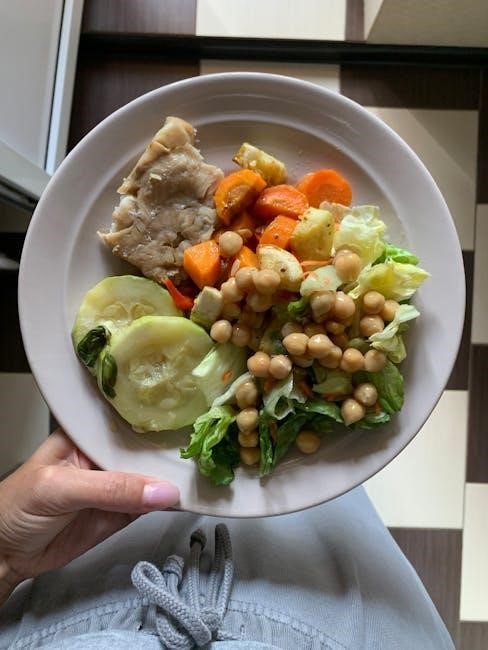
Stanford’s PDF and resources like Casa de Sante’s list detail foods to enjoy and avoid, crucial for successfully navigating the low FODMAP diet.
Foods Generally Low in FODMAPs
Stanford’s low FODMAP PDF guides individuals toward safer food choices. Generally, these include most fruits (like bananas, blueberries, and oranges in moderation), vegetables (carrots, spinach, tomatoes), proteins (meat, fish, poultry, eggs), and grains (rice, oats, quinoa).
Dairy alternatives like almond milk are often well-tolerated. Careful portion control is key, as even low FODMAP foods can trigger symptoms if consumed in excess. Always consult the Monash University app for specific serving sizes.
Foods High in FODMAPs to Avoid
Stanford’s low FODMAP PDF highlights several foods to restrict during the elimination phase. These include garlic, onions, wheat, rye, apples, pears, mangoes, honey, high-fructose corn syrup, and dairy products containing lactose.
Legumes like beans and lentils are also typically high in FODMAPs. Processed foods often contain hidden FODMAPs, emphasizing the importance of careful label reading. The Monash University app provides a comprehensive list for reference.

Practical Tips for Following the Diet
Stanford’s PDF stresses meticulous label reading and mindful cooking methods to successfully navigate the low FODMAP diet and minimize digestive distress.
Reading Food Labels Carefully
The Stanford low FODMAP diet PDF emphasizes diligent label scrutiny; Look beyond primary ingredients; hidden FODMAPs often reside in additives like high-fructose corn syrup, honey, or inulin. Pay close attention to “sugar alcohols” – sorbitol, mannitol, xylitol – commonly found in sugar-free products. Ingredients ending in “-ol” are often problematic. Be aware that ingredient lists can change, so regular checking is crucial for sustained dietary management and symptom control.
Cooking Methods and FODMAPs
The Stanford low FODMAP diet PDF doesn’t typically detail cooking method impacts, but preparation matters. Boiling vegetables can reduce FODMAP content by leaching them into the water – discard the water! Steaming or microwaving retain more nutrients but may not reduce FODMAPs as effectively. Avoid adding high-FODMAP ingredients like garlic or onion-infused oils during cooking. Simple preparations are best when initially following the diet guidelines.

Finding and Downloading the Stanford PDF
The Stanford low FODMAP diet PDF is available online, though locating the original plan can be challenging due to its age and updates.
Accessing the PDF Online
Numerous websites host the Stanford low FODMAP diet PDF, including those dedicated to IBS management and dietary resources. PDFfiller and sites archiving university handouts are good starting points. However, be mindful of the document’s date; the diet has evolved since initial publication. Searching specifically for “Stanford University Low FODMAP Diet Handout” yields results, often as downloadable files or viewable documents. Always verify the source and consider cross-referencing with more current information from Monash University.
Potential Challenges in Locating the Original Plan
Finding the precise, original Stanford low FODMAP diet PDF can be surprisingly difficult. The plan has been updated over time, and older versions may circulate online. Reddit’s r/lowfodmap community frequently discusses this issue, noting its increasing scarcity. Links can become broken, and file-sharing sites are unreliable. Prioritize resources directly linked to Stanford or Monash University to ensure you’re using the most accurate and current dietary guidance.

Resources and Support
Registered dietitians specializing in FODMAPs, alongside online communities like Reddit’s r/lowfodmap, offer valuable guidance and support while navigating the Stanford PDF.
Registered Dietitians Specializing in FODMAPs
Consulting a registered dietitian experienced with the low FODMAP diet is crucial for personalized guidance. They can help interpret the Stanford PDF, ensuring proper implementation and addressing individual needs.
A dietitian will assist with navigating the elimination and reintroduction phases, identifying trigger foods beyond the PDF’s general guidelines. They provide tailored meal plans, address nutritional deficiencies, and offer ongoing support for long-term dietary management, maximizing the diet’s effectiveness.
Online Communities (e.g., Reddit r/lowfodmap)
Online forums, like Reddit’s r/lowfodmap, offer valuable peer support while navigating the Stanford low FODMAP diet PDF. Users frequently share experiences, recipes, and tips for locating the original plan.
These communities provide a space to discuss challenges, clarify information from the PDF, and discover creative solutions for adhering to the diet. However, remember that online advice shouldn’t replace professional guidance from a registered dietitian.
Garlic and Onion Considerations
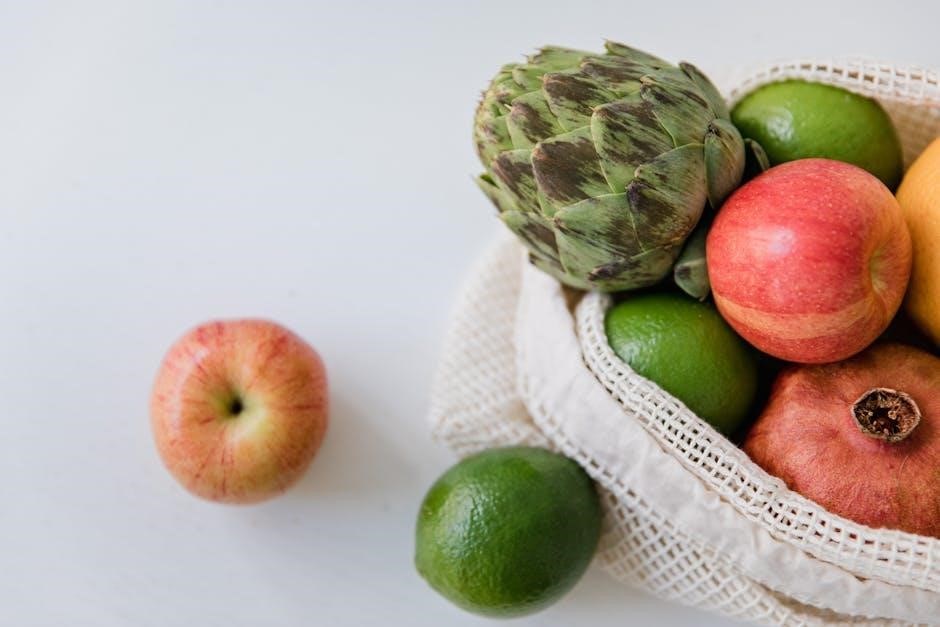
Garlic and onion are high in FODMAPs; the Stanford PDF suggests infused oils as flavorful, low-FODMAP alternatives for cooking.
High FODMAP Content
Garlic and onions are notably high in fructans, a type of FODMAP, making them common IBS triggers. The Stanford low FODMAP diet PDF emphasizes strict avoidance during the elimination phase. Even small amounts can exacerbate symptoms for sensitive individuals. Garlic powder retains the high FODMAP concentration due to being dehydrated garlic. Infused oils, where flavor is extracted without the FODMAPs, are a recommended substitute for adding garlic or onion taste to meals while adhering to the diet.
Infused Oils as Alternatives
The Stanford low FODMAP diet PDF suggests utilizing garlic or onion-infused oils as a flavorful workaround. These oils capture the aromatic essence without the problematic fructans. FODMAPs are not transferred into the oil during the infusion process. This allows individuals to enjoy the taste of garlic and onion without triggering IBS symptoms, offering a crucial element for dietary adherence and palatability.
The Role of Fiber in a Low FODMAP Diet
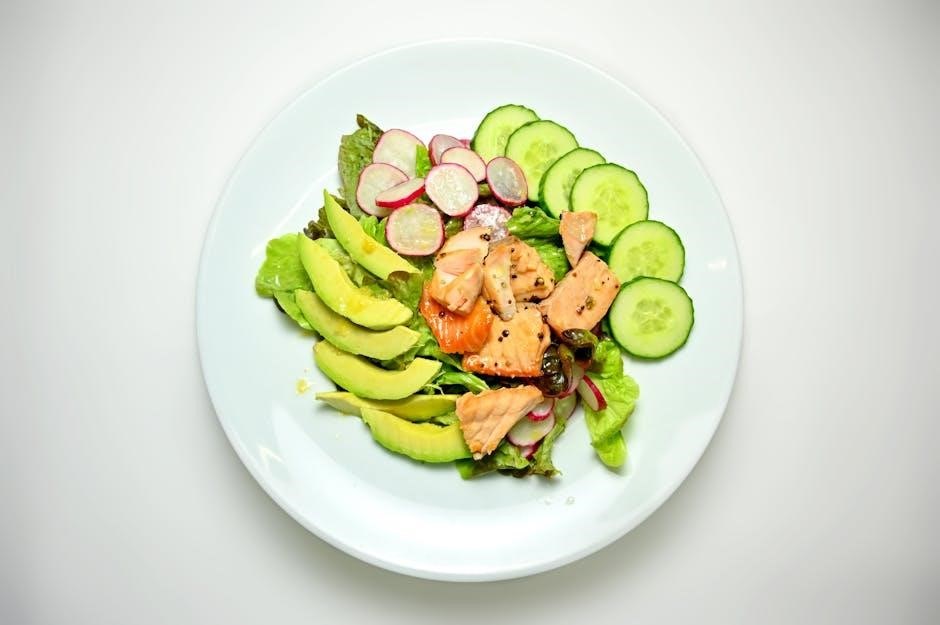
The Stanford low FODMAP diet PDF emphasizes balancing soluble and insoluble fiber intake, prioritizing fiber-rich, low FODMAP foods for gut health and regularity.
Soluble vs. Insoluble Fiber
The Stanford low FODMAP diet PDF guides individuals to understand the difference between soluble and insoluble fiber. Soluble fiber dissolves in water, forming a gel-like substance, potentially causing issues for some with IBS.
Insoluble fiber adds bulk to stool, aiding digestion. Careful consideration is needed as both types impact gut health differently. The PDF likely details which low FODMAP foods provide each type, helping to personalize fiber intake for optimal symptom management and digestive comfort.
Fiber-Rich Low FODMAP Foods
The Stanford low FODMAP diet PDF emphasizes incorporating fiber-rich foods that are gentle on the digestive system. Good choices include carrots, potatoes (without skin), and oranges in moderation.
Chia seeds and psyllium husk are also often recommended, but portion control is key. The PDF likely provides a detailed list, helping individuals meet their fiber needs while minimizing IBS triggers and promoting gut health through a balanced approach.
Long-Term Sustainability of the Diet
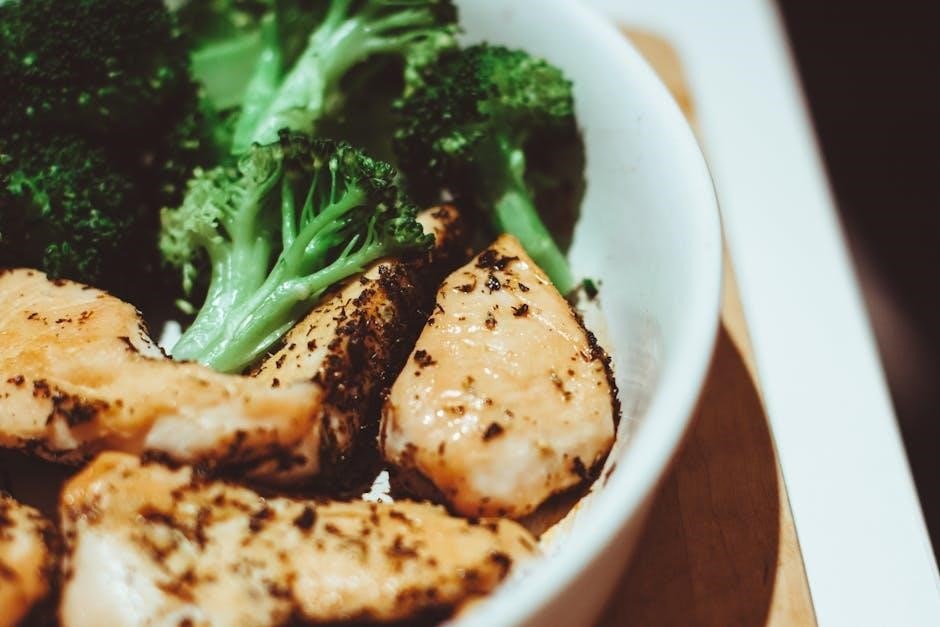
The Stanford low FODMAP diet PDF stresses avoiding overly restrictive eating and maintaining a balanced diet for lasting digestive wellness and overall health.
Avoiding Restrictive Eating
The Stanford low FODMAP diet PDF emphasizes that the diet isn’t intended as a permanent, highly restrictive lifestyle. Prolonged elimination of entire food groups can lead to nutritional deficiencies and an unhealthy relationship with food.
Focus should shift towards personalized reintroduction, identifying individual trigger foods, and expanding dietary variety. The goal is to liberalize the diet as much as possible while still managing IBS symptoms effectively, promoting long-term well-being.
Maintaining a Balanced Diet
The Stanford low FODMAP diet PDF stresses the importance of nutritional adequacy even during restriction. Prioritize a diverse intake of low FODMAP foods to ensure sufficient vitamins, minerals, and macronutrients.
Focus on lean proteins, lactose-free dairy alternatives, and appropriate portion sizes of fruits and vegetables. Careful planning, guided by the diet’s principles, helps prevent deficiencies and supports overall health while managing IBS symptoms effectively.